How music can relieve chronic pain

How music can help relieve chronic pain

Don Knox, Glasgow Caledonian University

As the 17th-century English playwright William Congreve said: “Music has charms to soothe a savage breast.” It is known that listening to music can significantly enhance our health and general feelings of well-being.

An important and growing area of research concerns how music helps to mitigate pain and its negative effects. Music has been shown to reduce anxiety, fear, depression, pain-related distress and blood pressure. It has been found to lower pain-intensity levels and reduce the opioid requirements of patients with post-operative pain.

Music has helped children undergoing numerous medical and dental procedures. And it has been demonstrated to work in a variety of other clinical settings such as palliative care, paediatrics, surgery and anaesthesia.

So what makes music so effective at making us feel better? The research has often drawn on theories around how nerve impulses in the central nervous system are affected by our thought processes and emotions. Anything that distracts us from pain may reduce the extent to which we focus on it, and music may be particularly powerful in this regard. The beauty is that once we understand how music relates to pain, we have the potential to treat ourselves.

Music attracts and holds our attention and is emotionally engaging, particularly if our relationship with the piece is strong. Our favourite music is likely to have stronger positive effects than tracks we don’t like or know. Researchers have demonstrated that the music we prefer has greater positive effects on pain tolerance and perception, reduces anxiety and increases feelings of control over pain. In older people with dementia, listening to preferred music has been linked with decreasing agitated behaviour.

Alongside the benefits of listening to what you prefer, the nature of the music has also been shown to be important in enhancing how emotionally engaging it is for patients. Recent research has demonstrated this in relation to dynamics, brightness, arousal levels and other acoustic attributes. Music which is bright, with low intensity and slower tempo has been shown to have the most positive effect on the degree of pain that we experience, for example.

The pain barrier

On the back of all these insights, we are beginning to see music therapy for pain related to a wide variety of medical conditions. Types of therapy include playing musical instruments, singing and listening to music, though mostly in a clinical setting. Yet despite what we have learned and what we are now beginning to practice, there has been little work on chronic pain. This area of growing importance refers to pain either from an ongoing disease or that continues beyond the normal time that a wound usually takes to heal. This affects more than 14m people in England alone – around a quarter of the population.

To ease the burden on health professionals, the government wants sufferers to increasingly manage their pain themselves. Known as self-management in the jargon, this traditionally includes taking medication, stretching, relaxation exercises and so forth. Music has been suggested as an attractive addition to the list, given that it is inexpensive, can be tailored around the everyday activities of the individual and has few of the negative secondary effects associated with many prescription drugs. Beyond the pain itself, it also has the potential to help with persistent parts of the pain cycle such as stress and negative thoughts – particularly in this era of ubiquitous portable playing devices.

Doctors’ notes? danielo

There is also much to study, however. We may know that the music we like can help with the negative symptoms of pain, but key mechanisms are still not fully understood. If being emotionally engaged with music is key to maximising our distraction in this regard, there are myriad factors affecting our emotional relationship with music that we need to understand.

These include the personal meaning and memories that the music conjures for a particular individual, the context the listener is in and factors such as age, gender, occupation and identity. There’s also a lot we don’t know about how people use music to regulate their emotions, such as using it to achieve a psychological high or to suppress negative feelings. Insights into these areas won’t only help in relation to chronic pain, but would certainly bring important benefits in that area.

Most of the research to date has been in laboratories and clinical settings – hence the reason most therapy takes place in the presence of specialists. Particularly if we are to learn how best to apply music to chronic pain, where self-management is so important, we’re going to need more research situated in everyday settings.

I am planning studies myself based around everyday music listening and how this can help support self-management of pain. Undoubtedly music therapy for chronic pain is an area with great potential, so there is every reason to others to press ahead too.

The Conversation

Don Knox, Senior audio lecturer, Glasgow Caledonian University

This article was originally published on The Conversation. Read the original article.
You might also be interested in

News and Events

Ear Wax Microsuction: A Safe and Effective Solution

Ear wax, also known as cerumen, is a natural substance that protects the ears by trapping dust, dirt, and bacteria. However, excessive wax buildup can cause symptoms such as hearing loss, earache, tinnitus (ringing in the ears), dizziness, and a feeling of fullness in the ear. When this occurs, professional ear wax removal may be necessary.

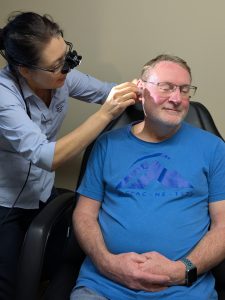
Microsuction is a modern and highly effective method of ear wax removal. The procedure uses a small medical suction device and a microscope or magnifying loupe to carefully remove wax from the ear canal. Unlike ear syringing, microsuction does not involve water, making it a safer option for many patients, particularly those with a history of ear infections, perforated eardrums, or previous ear surgery.

The procedure is typically quick, taking between 15 and 30 minutes, and most patients experience immediate improvement in hearing and comfort. Microsuction is generally well tolerated, although some people may notice a mild tickling sensation or temporary sensitivity during treatment.

For the best results, patients are often advised to soften the wax with a recommended spray for several days before their appointment. Ear wax should not be removed with cotton buds, as these can push wax deeper into the ear canal and increase the risk of blockage.

Microsuction is considered one of the safest and most precise methods of ear wax removal when performed by a trained healthcare professional. Ear wax microsuction services are available at Jervis Bay Hearing Centre, where experienced clinicians provide gentle, professional ear care to help restore hearing comfort and maintain ear health. Whether you are experiencing blocked ears, reduced hearing, or discomfort caused by excess wax, the team at Jervis Bay Hearing Centre can assess and treat your condition using safe and effective microsuction techniques.
Ready to hear clearly again? Ear wax microsuction is available at Jervis Bay Hearing Centre, providing a fast, safe, and effective solution for blocked ears and excess wax buildup. Don’t put up with muffled hearing or discomfort any longer. Book your appointment today and experience the difference professional ear care can make. Call Jervis Bay Hearing Centre.

Read More »
News and Events

From Berlin: Sharing Three Decades of Tinnitus Expertise

Just over a year ago, I had the privilege of being invited to speak at the International Tinnitus Research Initiative in Berlin. Today, stood at the podium delivering two presentations on tinnitus, drawing on more than 30 years of experience in audiology. It was an honour, and a rewarding opportunity to genuinely contribute to ongoing discussions in this complex and multifaceted field.

The audience consisted of leading academics from around the world, researchers, epidemiologists and clinical practitioners, creating an exceptional environment for the exchange of ideas and expertise. My presentations outlined my approach as well as the emergence of somatic symptoms and Hypercusis with severe distressing tinnitus from a clinical perspective. I was also grateful to join a symposium presenting evidence based practice and joining a leading UK ENT, Psychiatrist for robust discussion. Our profession has made such progress in understanding this complex and often challenging condition.

I was delighted by the positive reception from colleagues. Presenting to such a distinguished international audience is always encouraging and, if I’m honest, I’m feeling a little chuffed and more than a little relieved now that the talks are complete.

I was also deeply humbled to represent Jervis Bay Hearing Centre on the world stage. It was a privilege to showcase a leading-edge approach to tinnitus care, one that is firmly grounded in both scientific evidence and decades of clinical experience. Being able to share practical outcomes and contribute to global conversations about tinnitus management reinforced the value of combining research excellence with patient-centred care.

One of the most valuable aspects of meetings like these is the opportunity to collaborate and learn across disciplines. Tinnitus is a multifaceted condition that benefits from the collective expertise of Audiologists, Neuroscientists, Psychologists, Physicians, and Researchers working together toward better outcomes for patients.

After more than three decades in clinical practice, I remain convinced that continuing education is fundamental to delivering excellent hearing healthcare. As new research emerges, lifelong learning enables clinicians to tackle increasingly difficult problems, including complex tinnitus cases. By sharing knowledge, challenging assumptions, and embracing innovation, we move closer to our shared goal of reducing patient suffering and improving quality of life for those affected by tinnitus.

Read More »
News and Events

Reflections, on winning a business award 2026.

Winning a business award is not just recognition of excellence; it is a reflection of a deep commitment to the community we serve. Jervis Bay Hearing Centre is proud to be an independent, locally owned audiology practice dedicated to improving the hearing health and wellbeing of people across the Shoalhaven region, including Vincentia, Nowra, Ulladulla, Sussex Inlet, and surrounding communities.

For more than two decades, our mission has been to provide accessible, evidence-based, and person-centred hearing care that empowers individuals to reconnect with the people, activities, and experiences that matter most. We believe hearing healthcare is about more than technology. It is about listening, understanding, and supporting every person on their unique journey. Our comprehensive services include hearing assessments for adults and children, hearing aid fitting and rehabilitation, tinnitus and sound sensitivity management, cochlear implants, wax microsuction, workplace hearing assessments, and community education programs.

We are passionate advocates for early intervention, preventative hearing health, and ensuring regional Australians can access high-quality services close to home. At Jervis Bay Hearing Centre, our success is measured not only by business growth but by the lives we help transform. This award celebrates our dedicated team, our trusted partnerships, and our unwavering commitment to delivering exceptional hearing healthcare that enriches lives and strengthens our community.

We are humbled to win the Business Award for Excellence and are grateful to all our wonderful patients who have given us their unwavering support and trust.

Read More »